Sunday, March 18, 2007

Airoli - March 2007

Map of the places we visited in Airoli in relation to the station.


My first visit to Airoli and I was surprised by the variety of bird life

that can be seen.
It reminds me of the habitat as near TS Chanakya.

We started with the marshes near the sector 17.
The tide had still not started coming in so there were few waders.
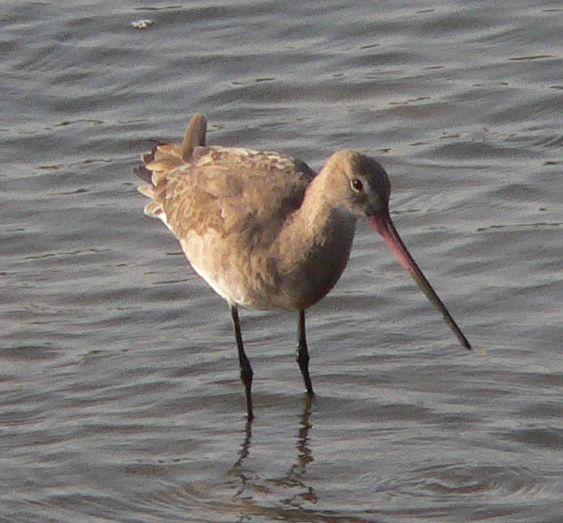
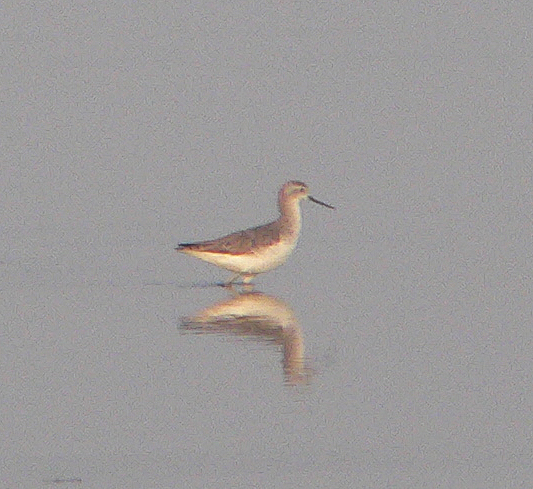
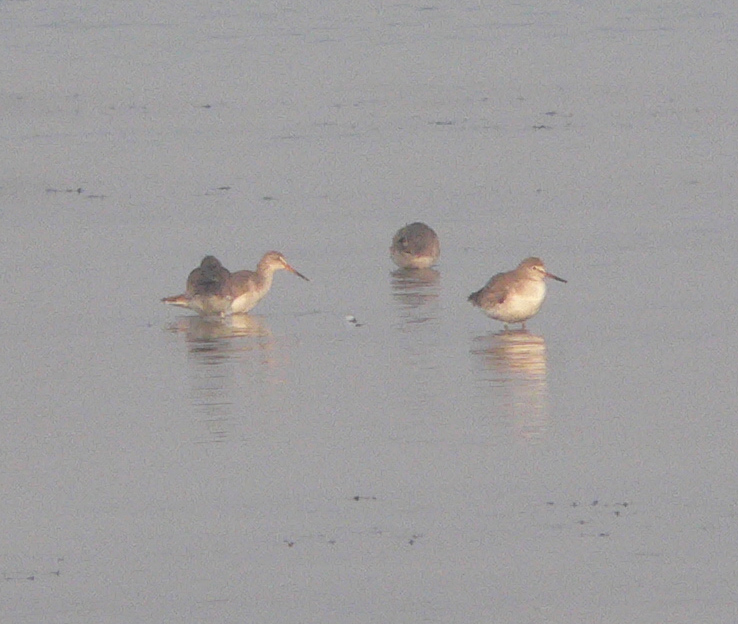
We saw here the little egret, pond heron, common redshank, greenshank,

marsh sandpiper, white breasted waterhen , red wattled lapwing and black

tailed godwith in breeding plumage.

Then we headed towards an open ground a few meters ahead under the expert

guidance of Mr. Julius.
It was a huge ground with around 300+ black kites sitting on it.
It was an amazing sight.


We had stopped just before that as we saw a lot of bird activity.
There we saw the white cheecked bulbuls,


common kingfisher, ashy and plain

prinias, yellow eyed babbler.


In the open areas there was a small pond on the edge of which we saw a

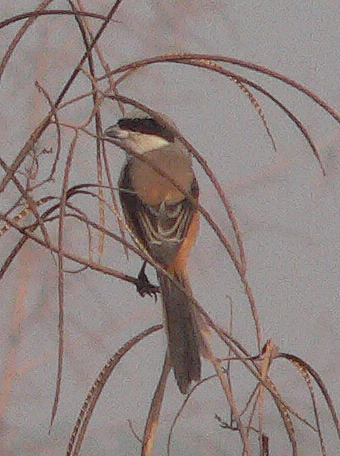
white breasted kingfisher perched on a stone and a long tailed shrike.


Along the side is a trail on the left of which there are marshes again.
There again where nearby we could see the yellow eyed babbler at a very

close distance.

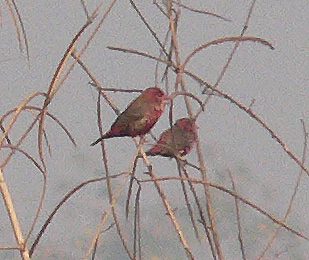
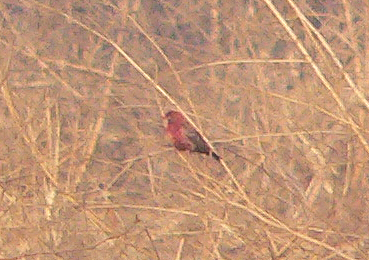
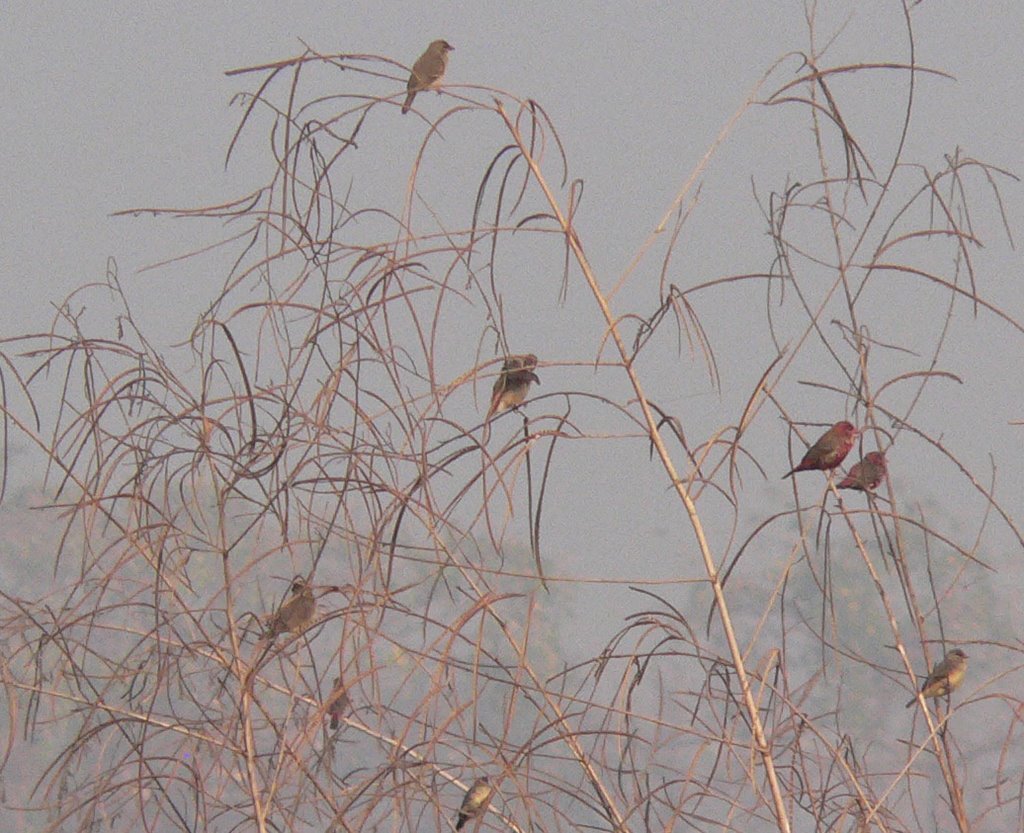
Few distance ahead in an open area we could see a large group of small

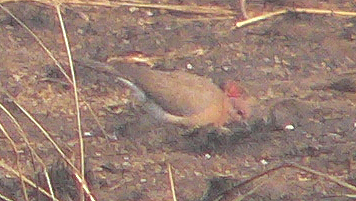
birds. They were red munias.


There were also a huge number of laughing doves on the ground and trees

with black drongos.


Another big flock of birds landed on the ground nearby and we were amazed t

o see atleast 10+ yellow wagtails.


This is the first time I had seen so

many yellow wagtails together.

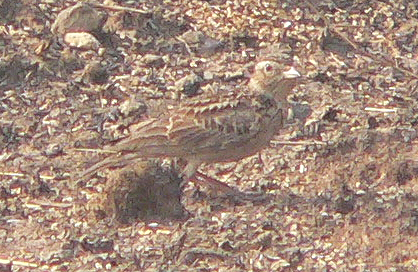
Later we saw a lone oriental skylark , Hoopoe and a field pipit


Crossing the ground we advanced towards the creek where we got to see a lot

of waders.


In between at a small water hole we saw a lone sandpiper after a detailed

discussion and studying its flight it was confirmed that it was a green

sandpiper ( in flight green sandpiper's black underwings can be seen while

in wood sandpiper it is white. Also wood sandpiper has yellow legs)


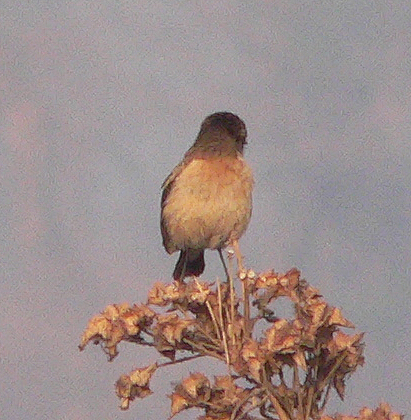
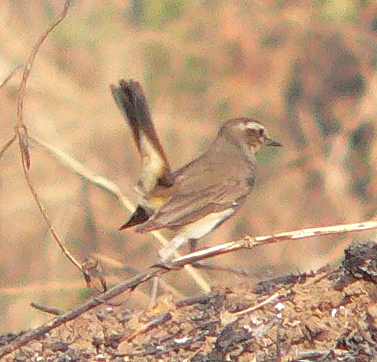
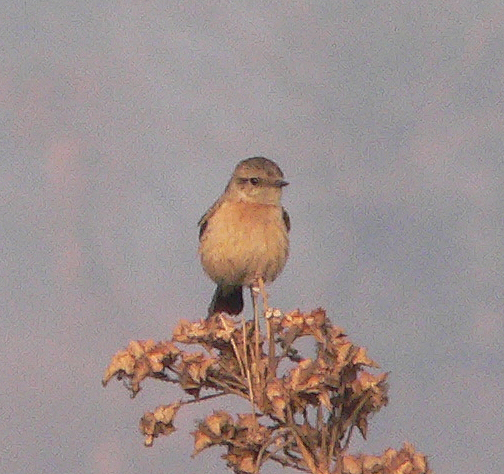
Also we came across an ashy crowned sparrow lark and pied bushchat.


All in all it was a very satisfying bird watching.

Bird list
1. Red whiskered bulbul
2. White cheeked bulbul
3. Little egret
4. Cattle egret
5. Pond heron
6. Common redshank
7. Greenshank
8. Marsh sandpiper
9. Common sandpiper
10. Green Sandpiper
11. Black tailed Godwit
12. Black winged stilts
13. Stints
14. White breasted waterhen
15. Clamarous reed warbler
16. Blyth's reed warbler (heard)
17. Ashy prinia
18. Plain prinia
19. Common kingfisher
20. White breasted kingfisher
21. Red munia
22. Long tailed shrike
23. Yellow eyed babbler
24. Common babbler
25. Ashy crowned sparrow lark
26. Field pipt
27. oriental skylark
28. Yellow wagtail
29. Black kite
30. Little cormorant
31. Hoopoe
32. Northern shoveller
33. Pied bushchat

Sunday, February 25, 2007

Sewri - Feb 2007

It was a wader watch cum identification workshop conducted by Adesh shivkar with Mr KB singh and others.

What are the tips for wader identification ?
Divide waders by thier size
Category 1 - Stints
Category 2 - smaller plovers
Category 3 - Sandpipers and redshanks and green shanks
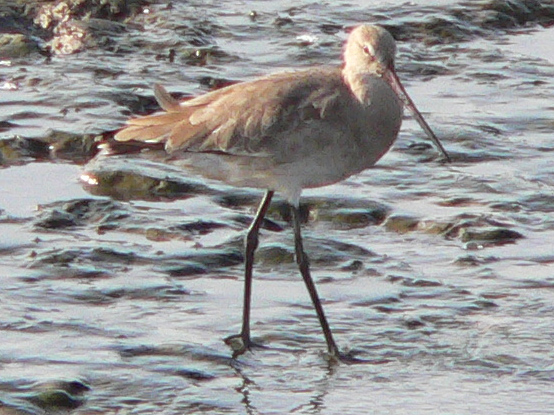
Category 4 - whimbrel , curlew and godwits

In category 3 size generally anything with red legs is a redshank with dark legs with big beak would be a greenshank. Common sandpiper is plain brown with always waging its tail while walking.
In category 4 - with curved beak would be curlew and similar smaller would be a whimbrel. Others would be godwit.


How to differentiate black and brown headed gulls ?
Brown headed gulls have a white dot on the black at the tip of its wing which is visible while in flight.
Not a good pic but white dot visible

How is slender billed separate from these ?
Slender bill is the only gull with a plain white head.
Both black and brown headed gulls in non-breading plumage will have a little black spot on the head.
Black around the head of the black and brown headed gulls


What are other gull types and difference from the above ?
The palais gull, Heuglins gull are very huge in size.

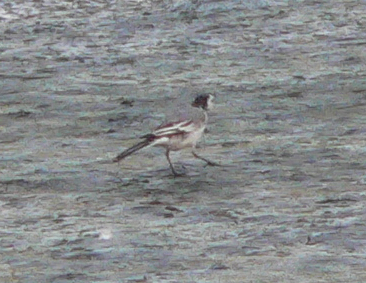
Also seen a white wagtail

Sunday, January 14, 2007

Tungareshwar December 2006

TS Chanakya Jan 2007

My self and my friend Dr Saurabh Jindal started the walk at around 8am on 14th of Jan.

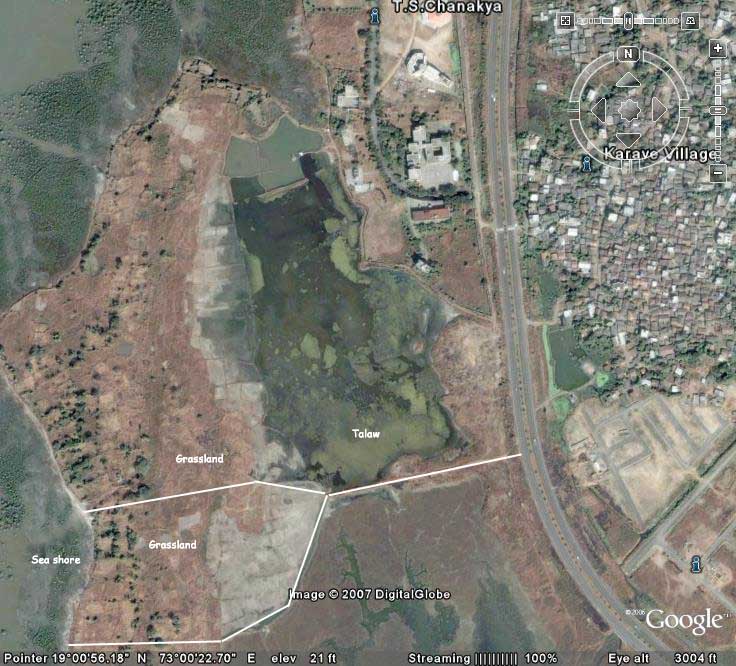
This is the trail map (picture taken from google earth).


As soon as we left the palm beach road and started on the trail towards the talaw we were welcome by the Barn swallows and wire tailed swallows flying very nearby us giving us a good look at them.
There were also a few palm swifts flying higher.

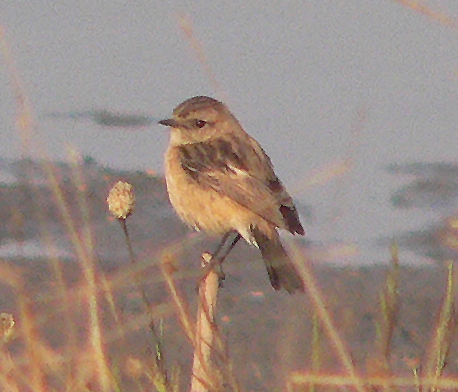
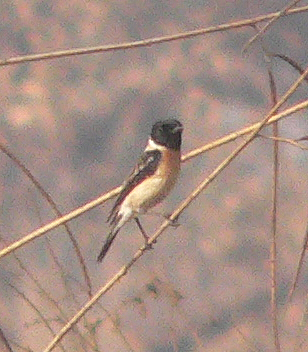
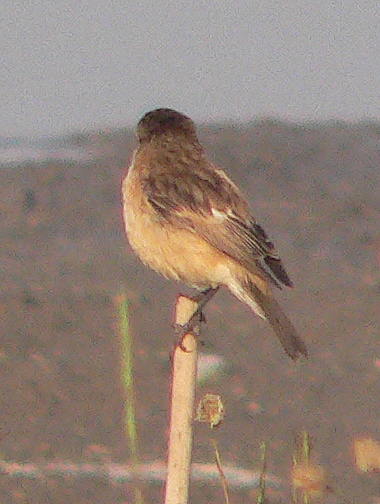
Near the talaw we saw a plain prinia and mostly a young of common stone chat.


In the talaw there were a lot of waders. A large group of stints flying farther away, a group of common redshanks, sandpipers, a little egret and a lone grey heron.
Also there were pond herons and little cormorants.


The other water bodies beyond the lake have dried by now and we could walk across them towards the other side near the more grassland to look out for munia.
We got a closer look at pond heron in this area.


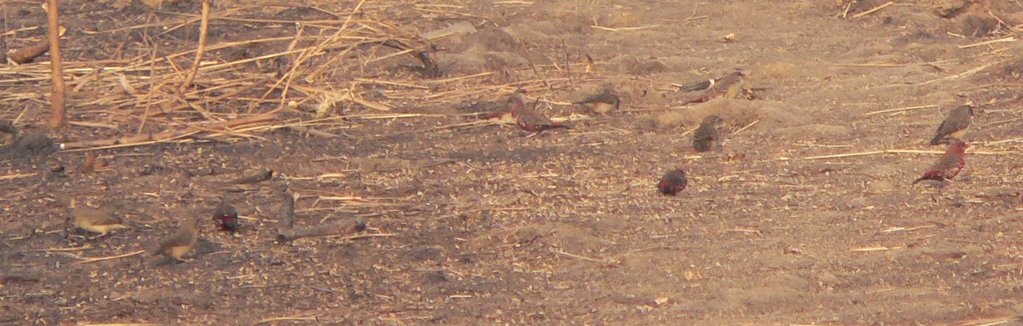
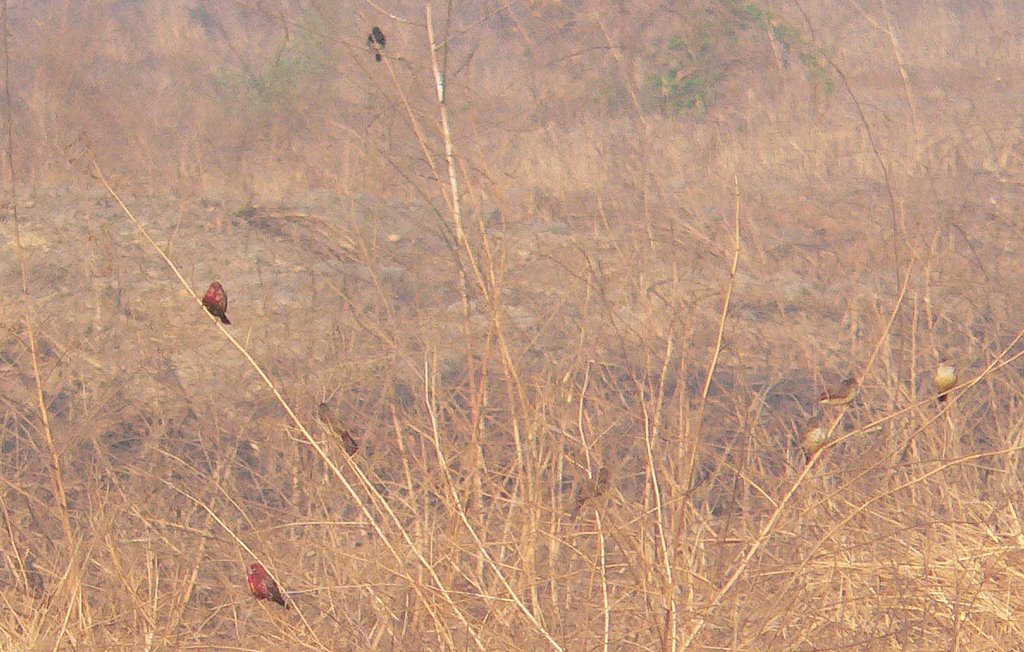
On the other side we saw a huge gathering of red munia. Around 30-40 of them sitting on grass and on ground. It was red every where.


A lone pied bushchat was also sitting in the background (see image below)


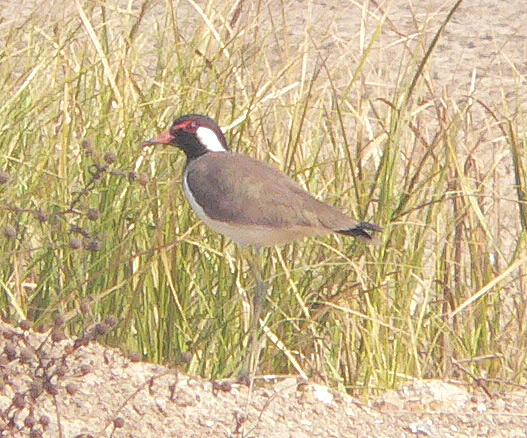
A pair of Red wattled lapwings. This one shot a little later.


Long tailed Shrike


There were atlead 8-10 spotted doves and similar number of laughing doves.

Laughing Dove


As there were lot of red munias on the ground there were also a lot of Ashy crowned sparrow larks. A shot of male and female below.


Also saw a Singing bushlark (correct me if i am wrong)


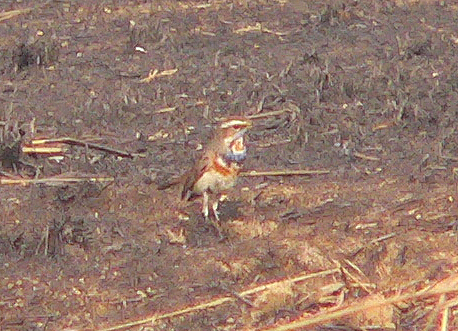
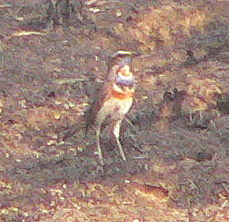
The day was made by a blue throat hopping around for a long time giving us ample time to admire it.


There was lone Common bushchat disturbing the blue throat.


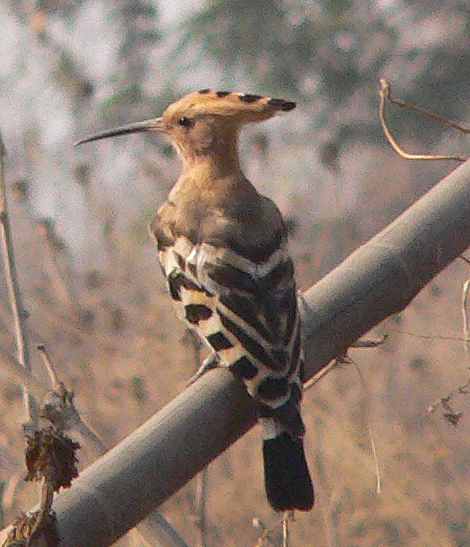
Further ahead we saw around 4 hoopes and a pair of green bee earters.


On the sea front we could see some grey herons, egrets, plovers, sandpipers, red shanks and eurasian curlews.
On the way back we saw a shikra female perched on a tree nearby and a black kite sitting on a stone.

All in all a great day !!!

Bird List
1 Drongo Black
2 Redshak Common
3 Prinia Plain
4 Stonechat Siberian
5 Sandpiper Common
6 Heron Grey
7 Egret Little
8 Cormorant Little
9 Stints
10 Tern Gullbilled
11 Kingfisher Common
12 Munia Red
13 Buschat Pied
14 Lark Ashy crowned
15 Dove Spotted
16 Dove Laughing
17 Bluethroat
18 Lapwing Red wattled
19 Beeeater Green
20 Hoopoe Common
21 Oriole Eurasian Golden
22 Bushlark Singing
23 Robin Magpie
24 Shrike Longtailed
25 Swallows Common
26 Swallows Wiretailed
27 Swift Palm
28 Kingfisher White Breated
29 Shikra
30 Shrike Long tailed

Saturday, January 06, 2007

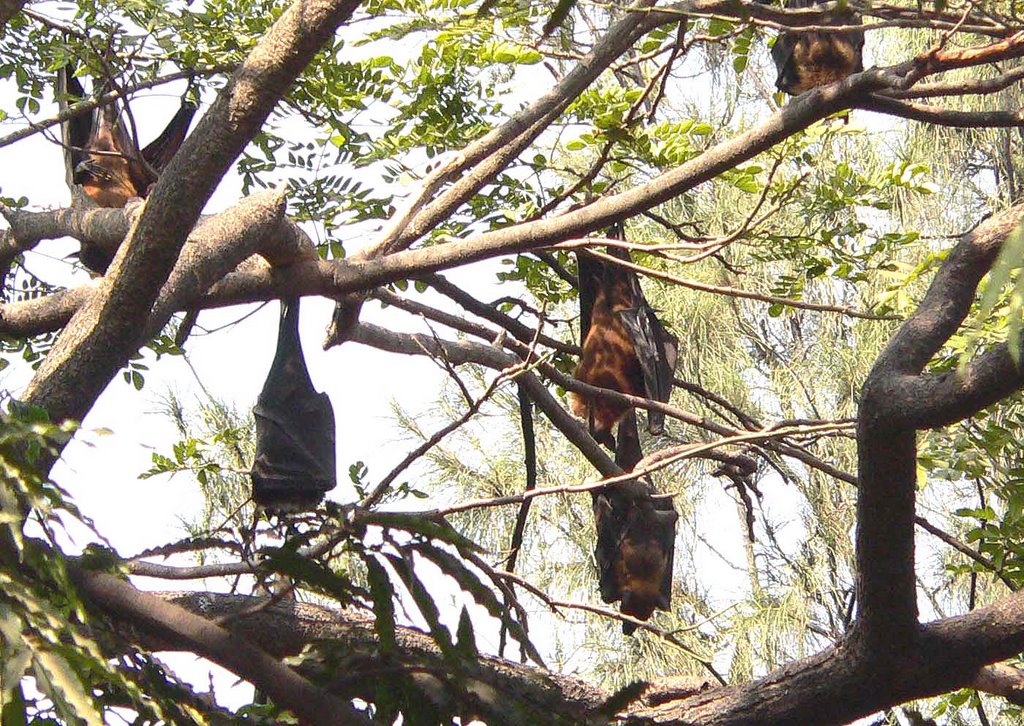
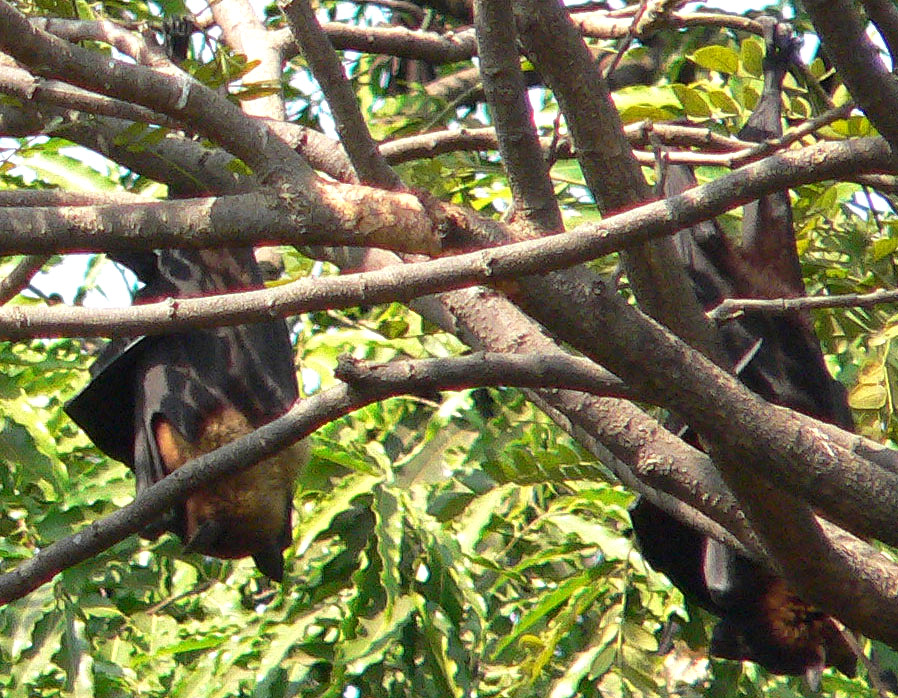
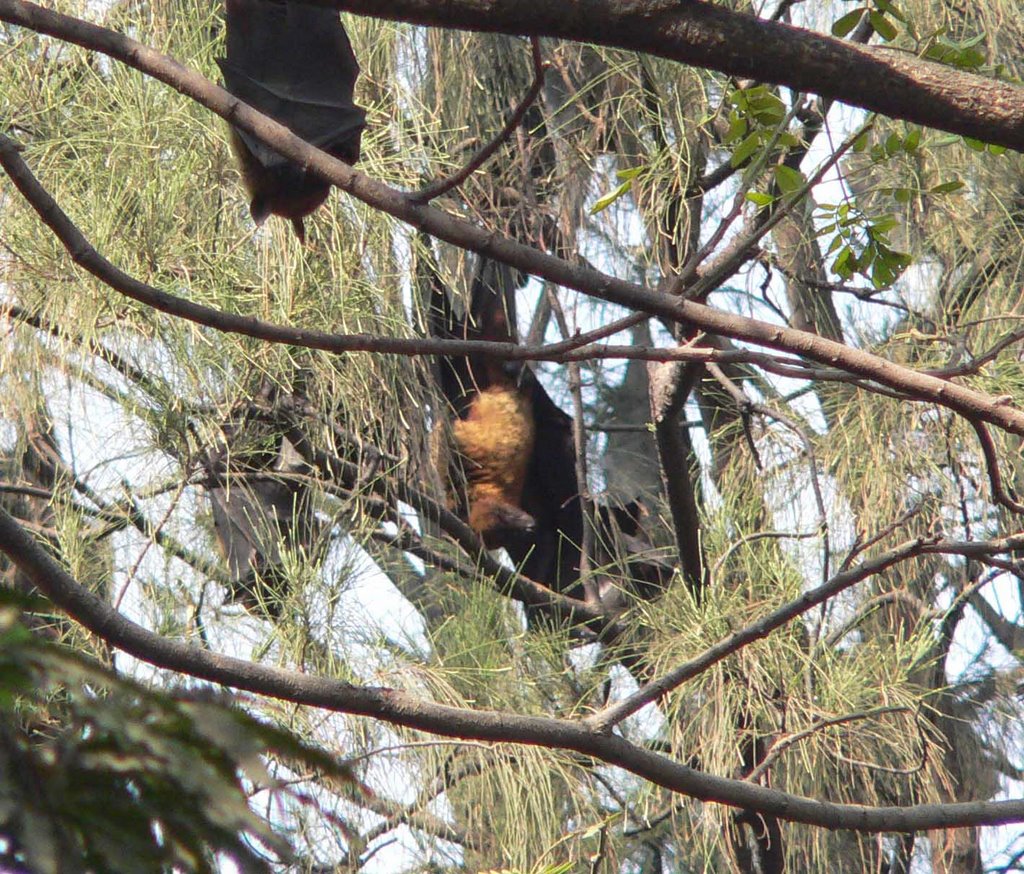
Fruit Bats

Few shots of bats roosting on a casurina tree behind the punjab wadi stop.
There are around 100-150 bats.
These are the India fruit bats also called as flying fox.
There main food is fruits mainly mangoes,bananas,etc